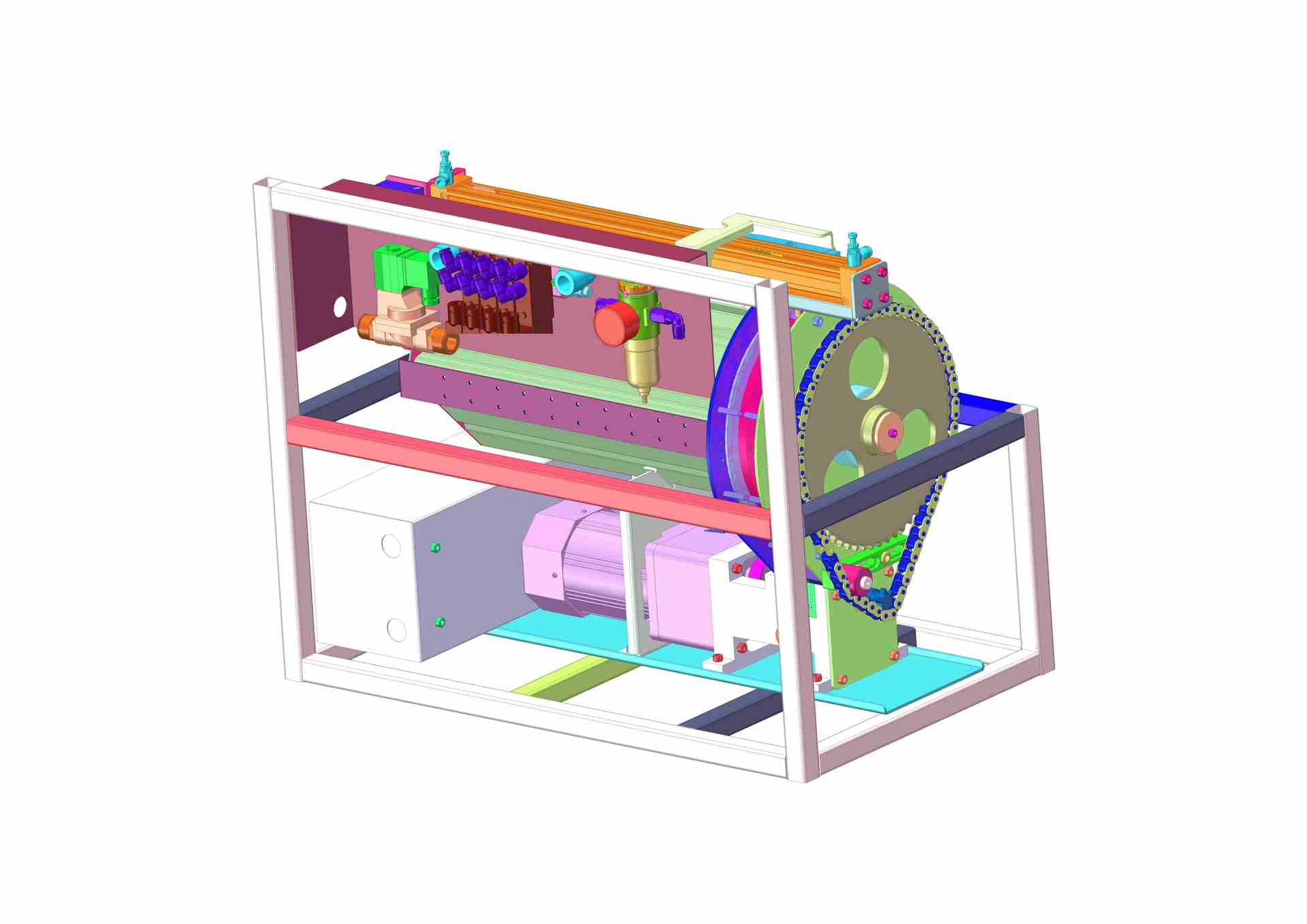
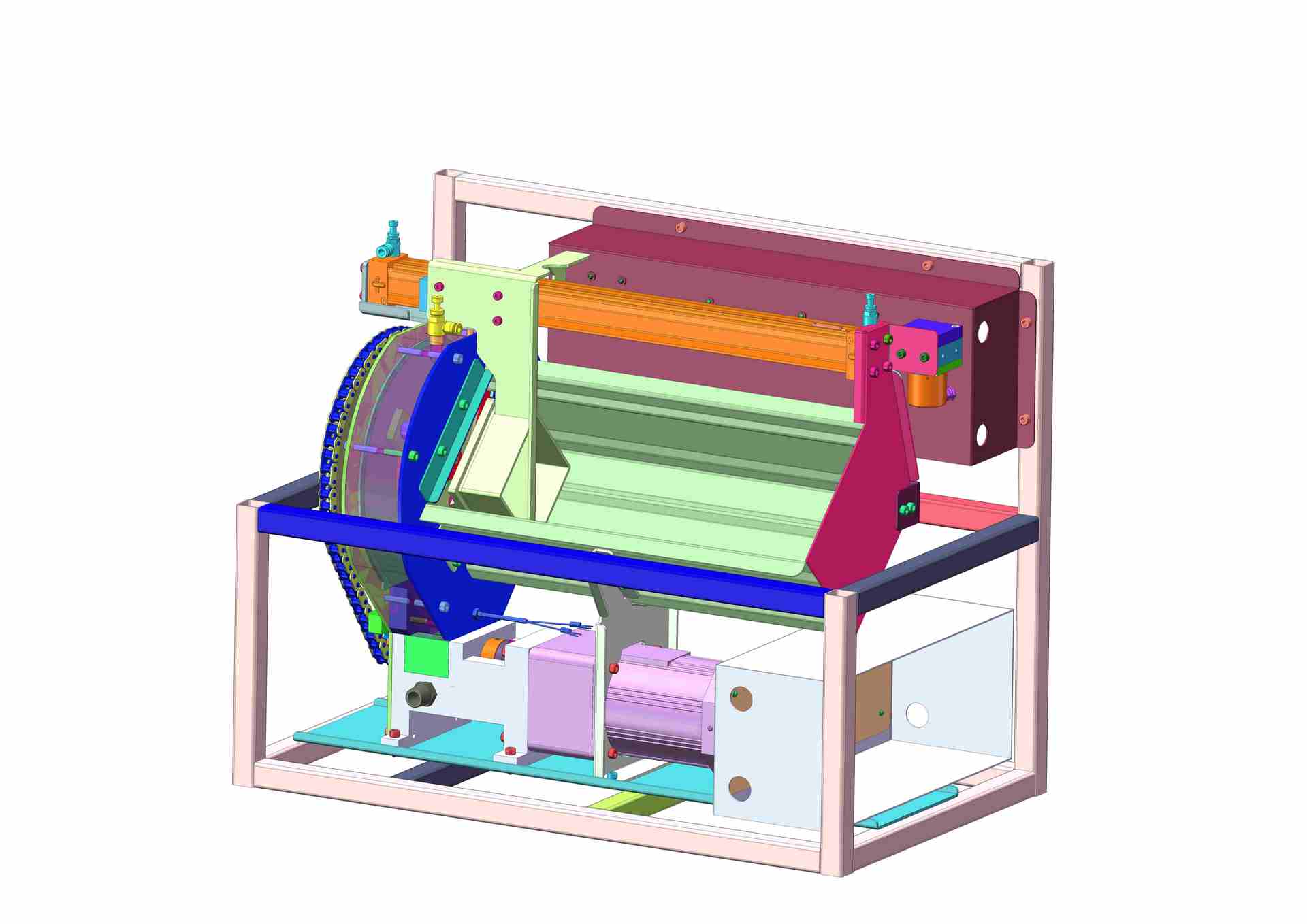
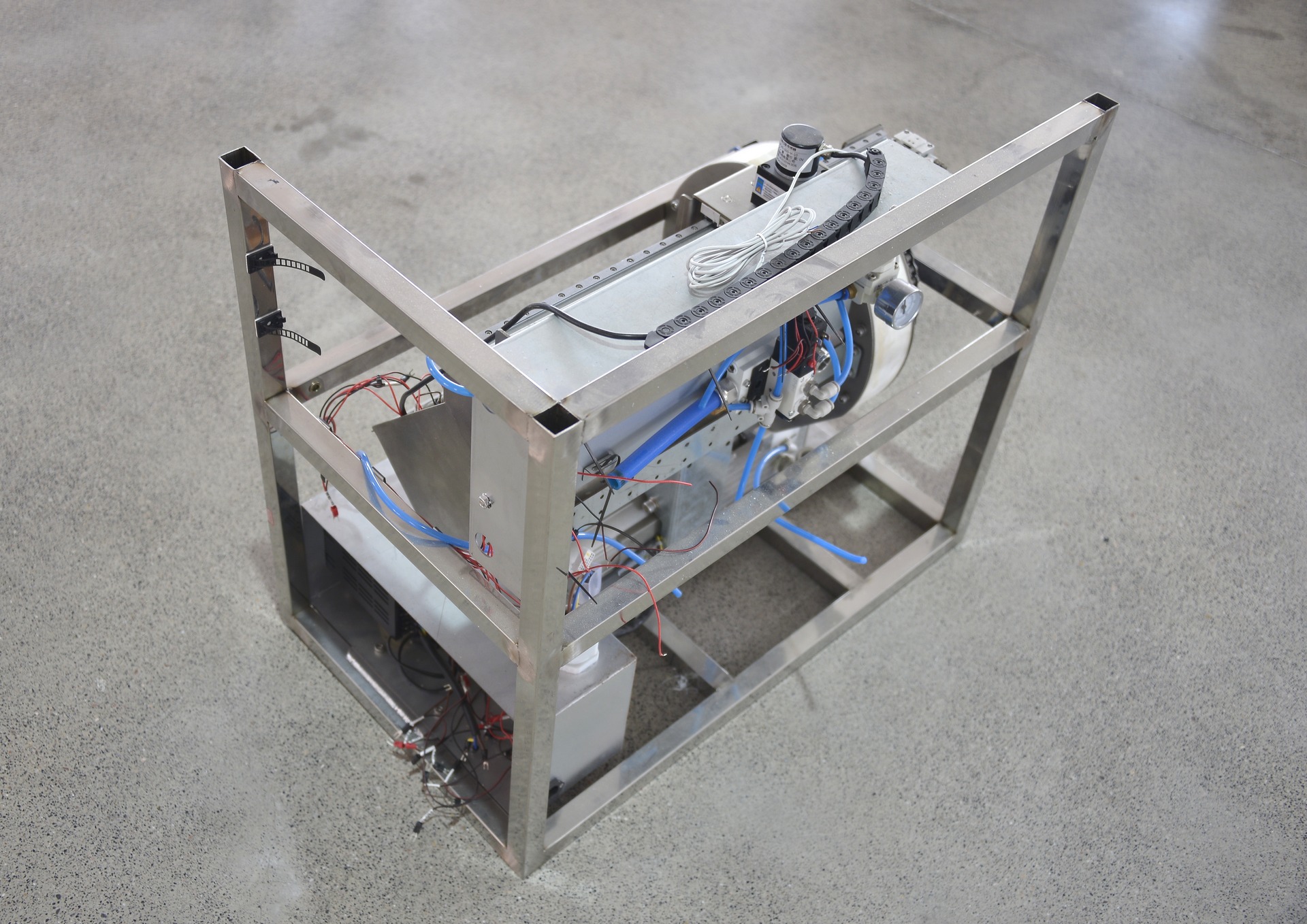
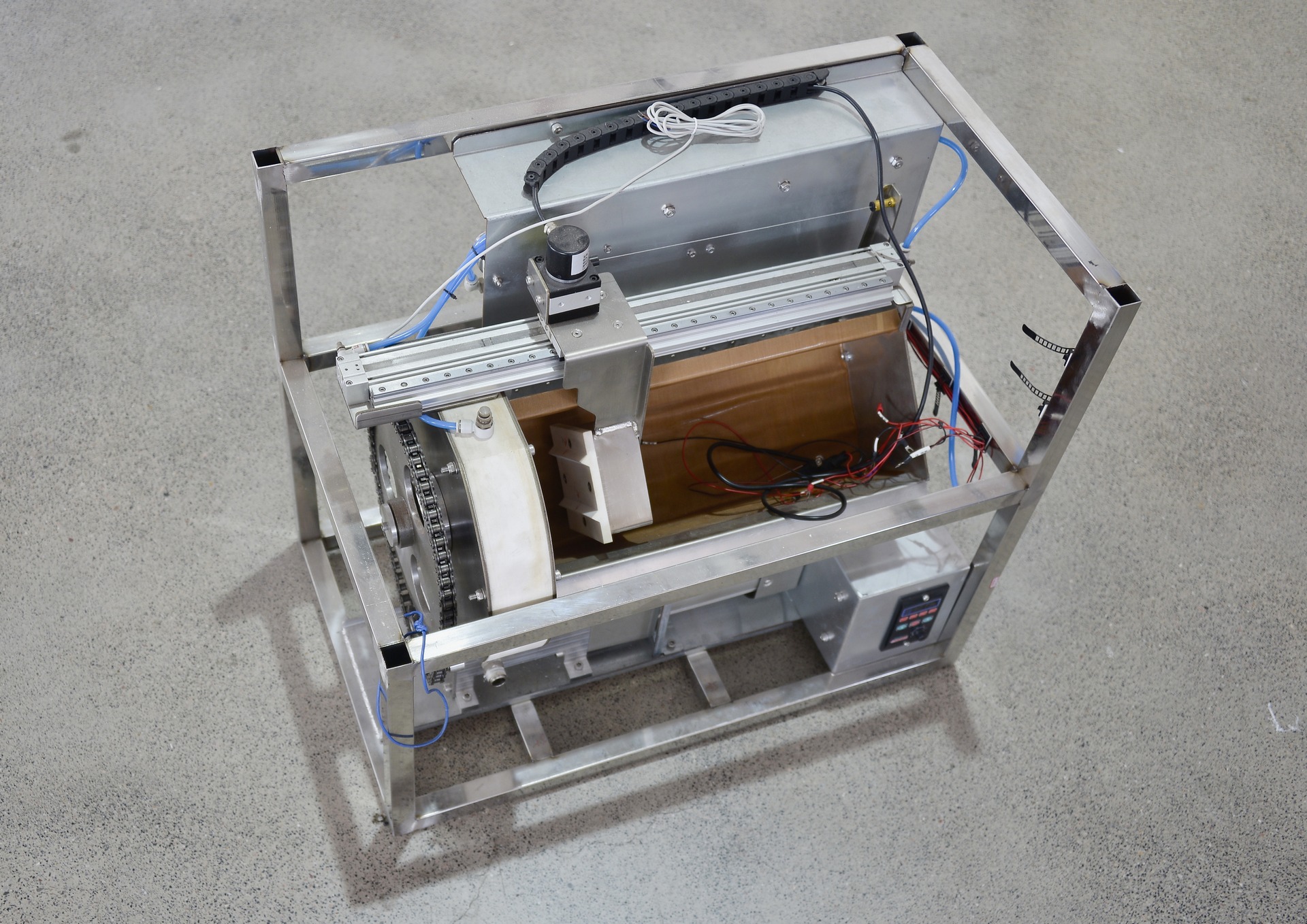
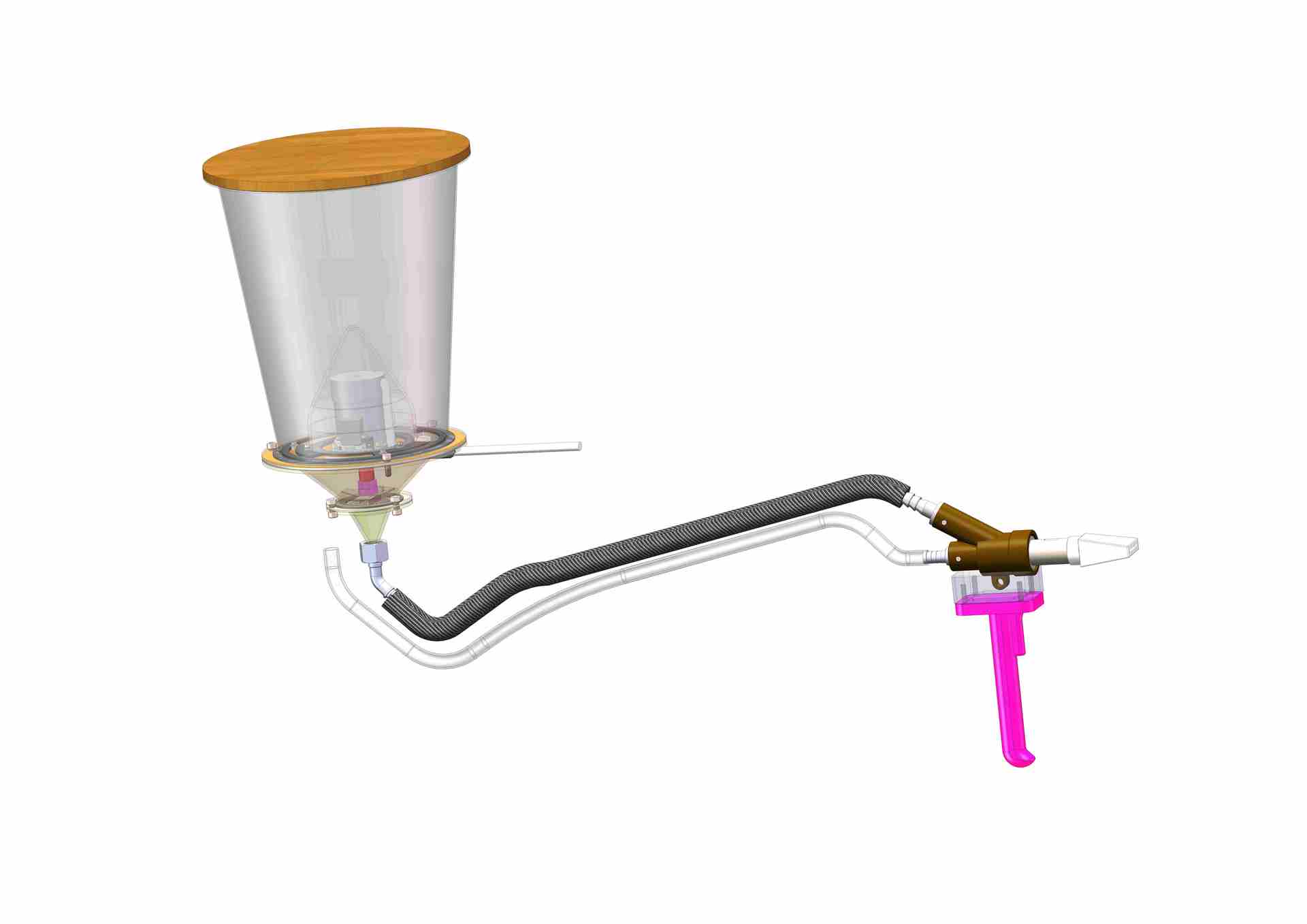
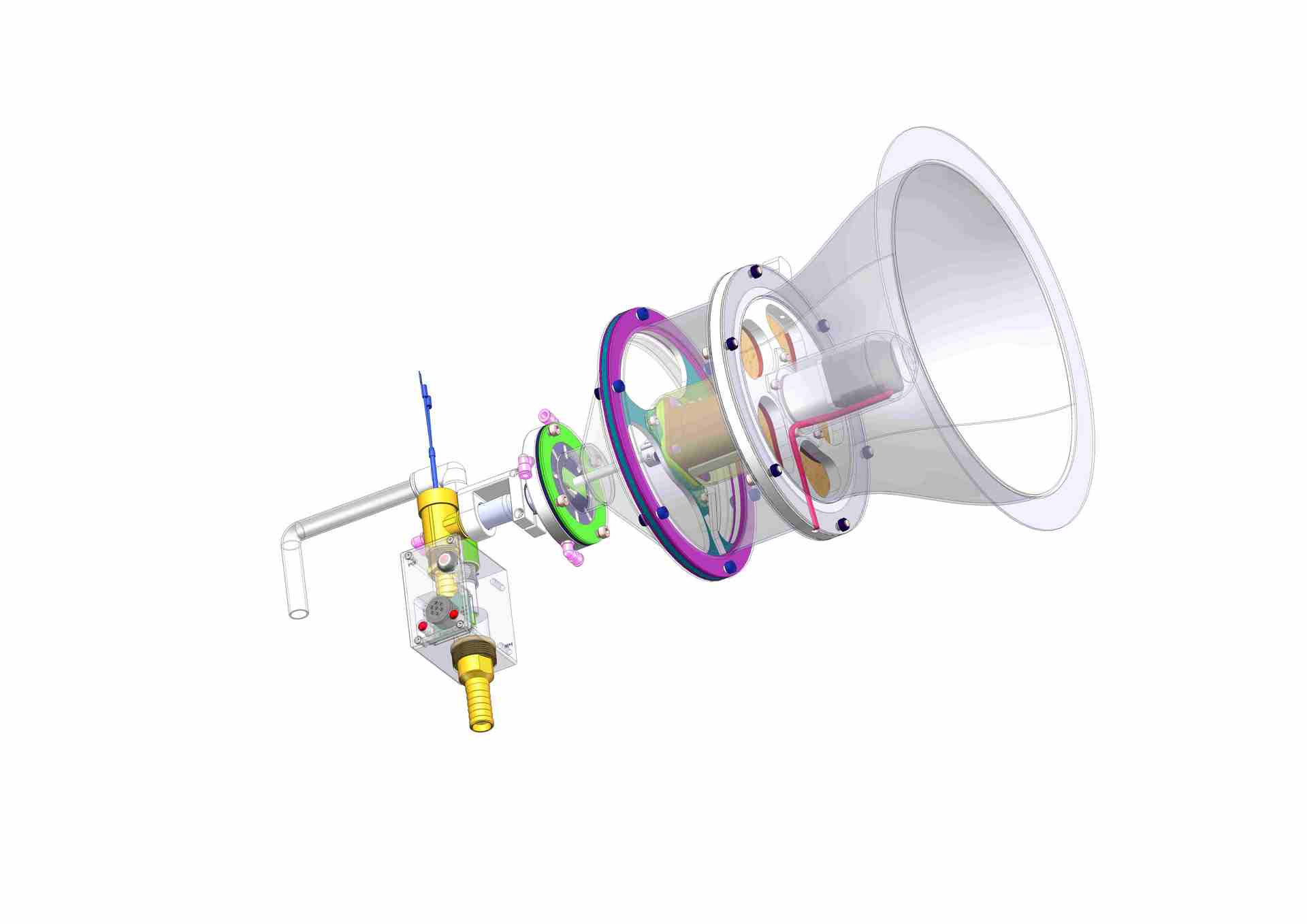
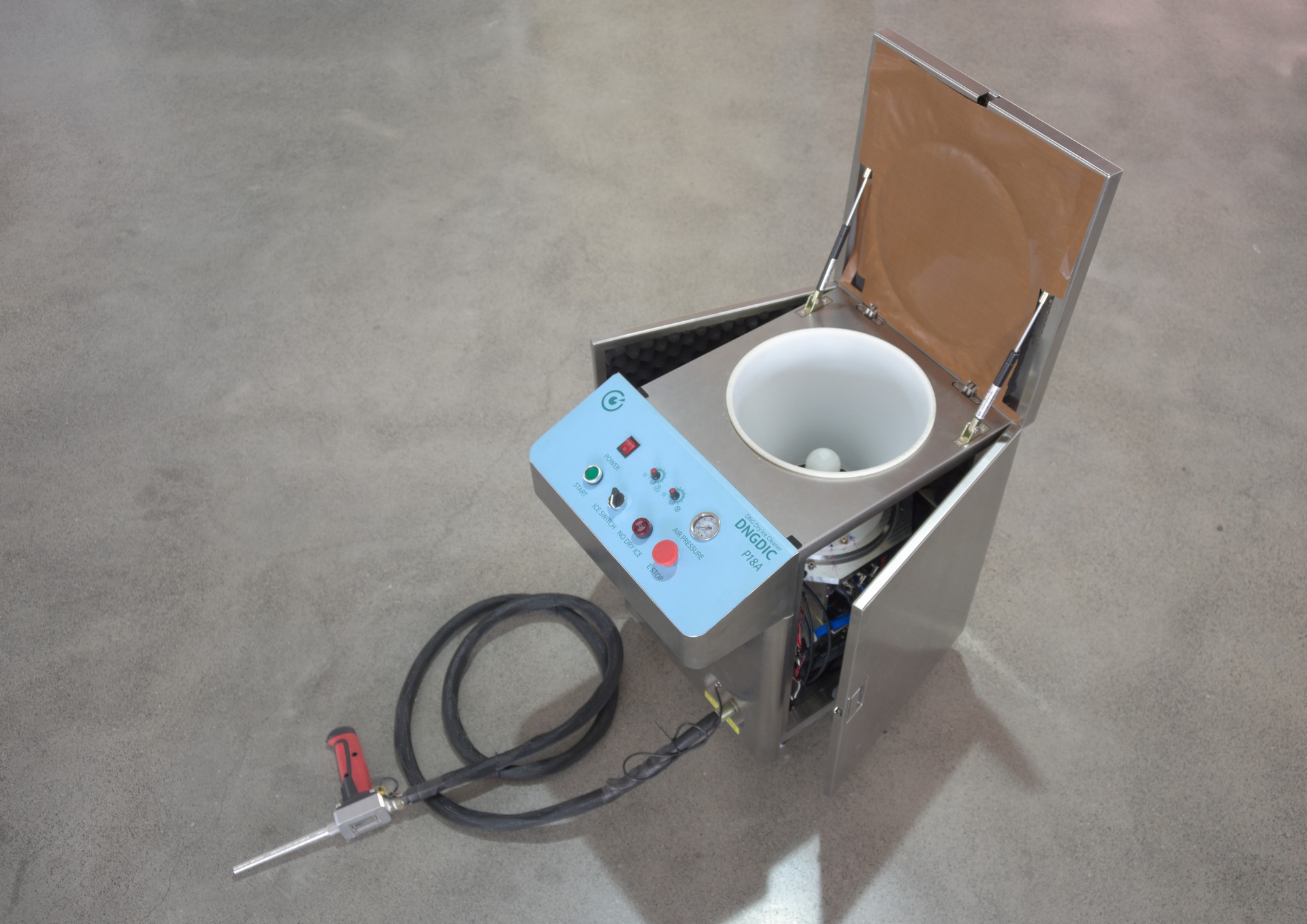
Drew inspiration from the dry ice cleaning machine structures available in the market. It employed blades to cut large blocks of ice into smaller ice particles, which were then ejected.
After verification, the Venturi nozzle structure is feasible and can relatively easily eject dry ice.
Pending issues
Two tubes are needed, one for air and one for dry ice
The funnel tends to get blocked
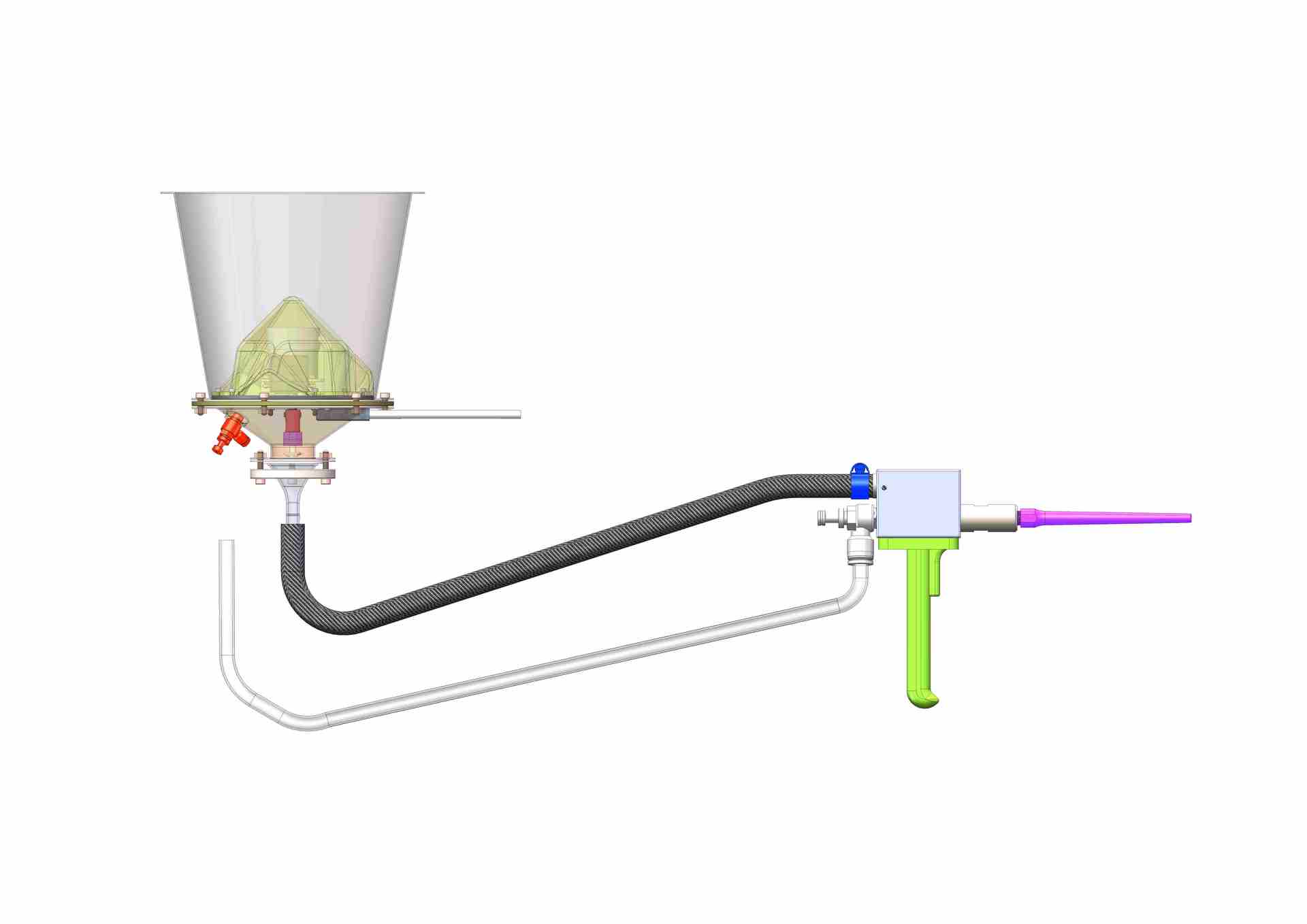
Move the nozzle to the bottom of the hopper
Sep 2024
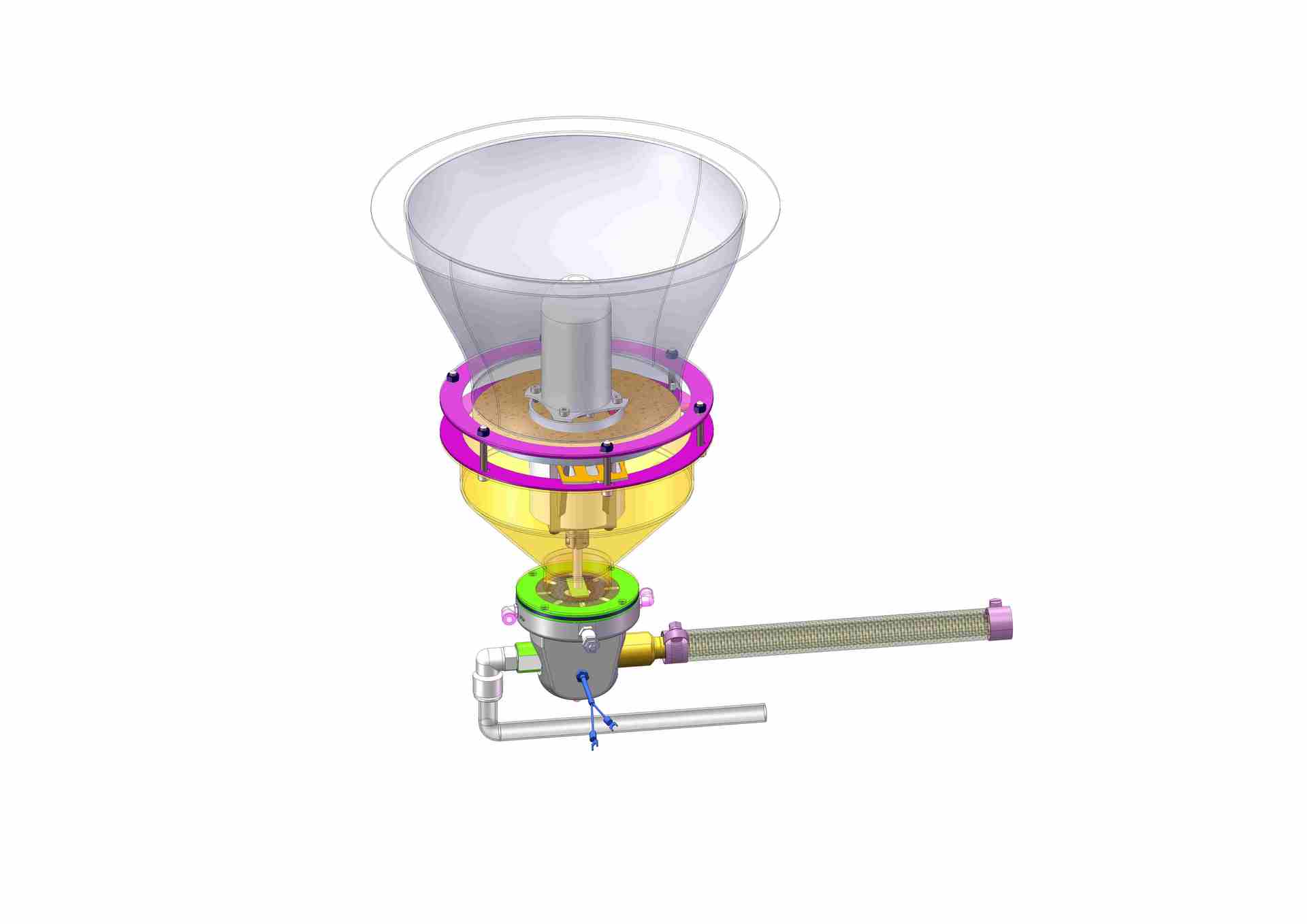
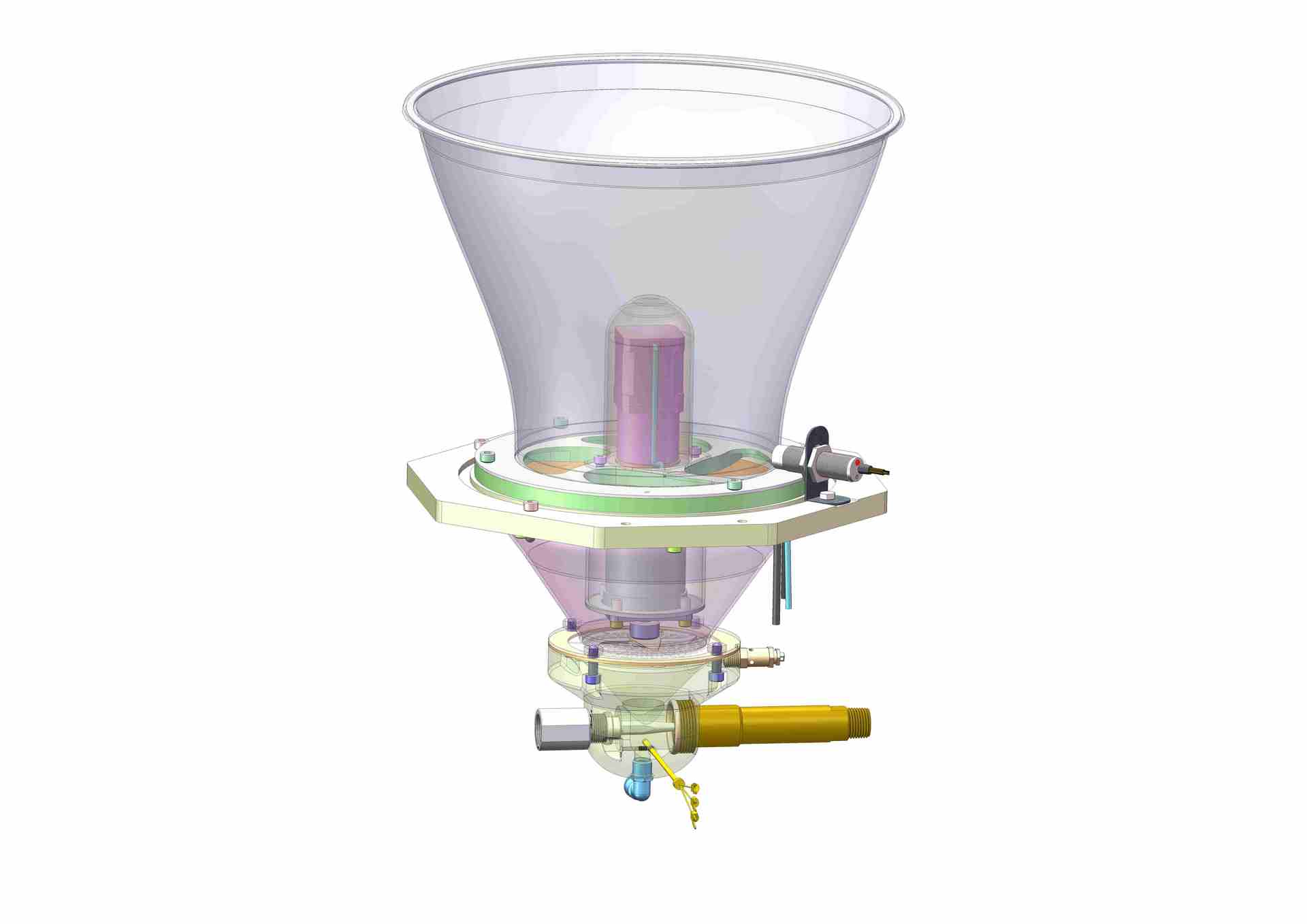
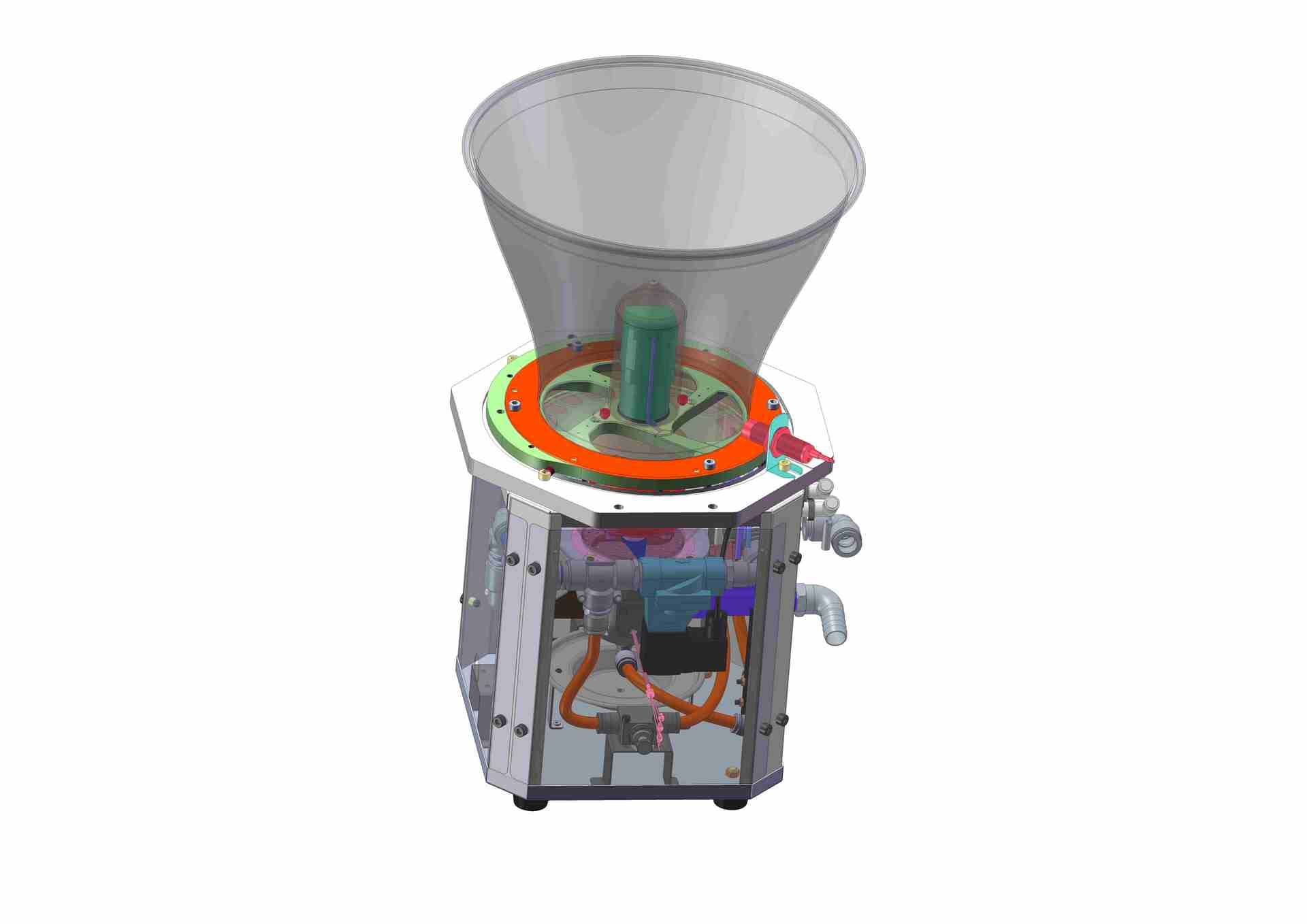
This time, the nozzle was moved to the bottom of the hopper. A turntable was used to control the dry ice drop speed, and a high-speed motor was implemented to crush the ice particles.
A temperature sensor was added to determine if excessive ice accumulated at the bottom of the hopper.
Pending issues
The structure needs to be optimized.
The height needs to be compressed.
Optimize the structure
Nov 2024
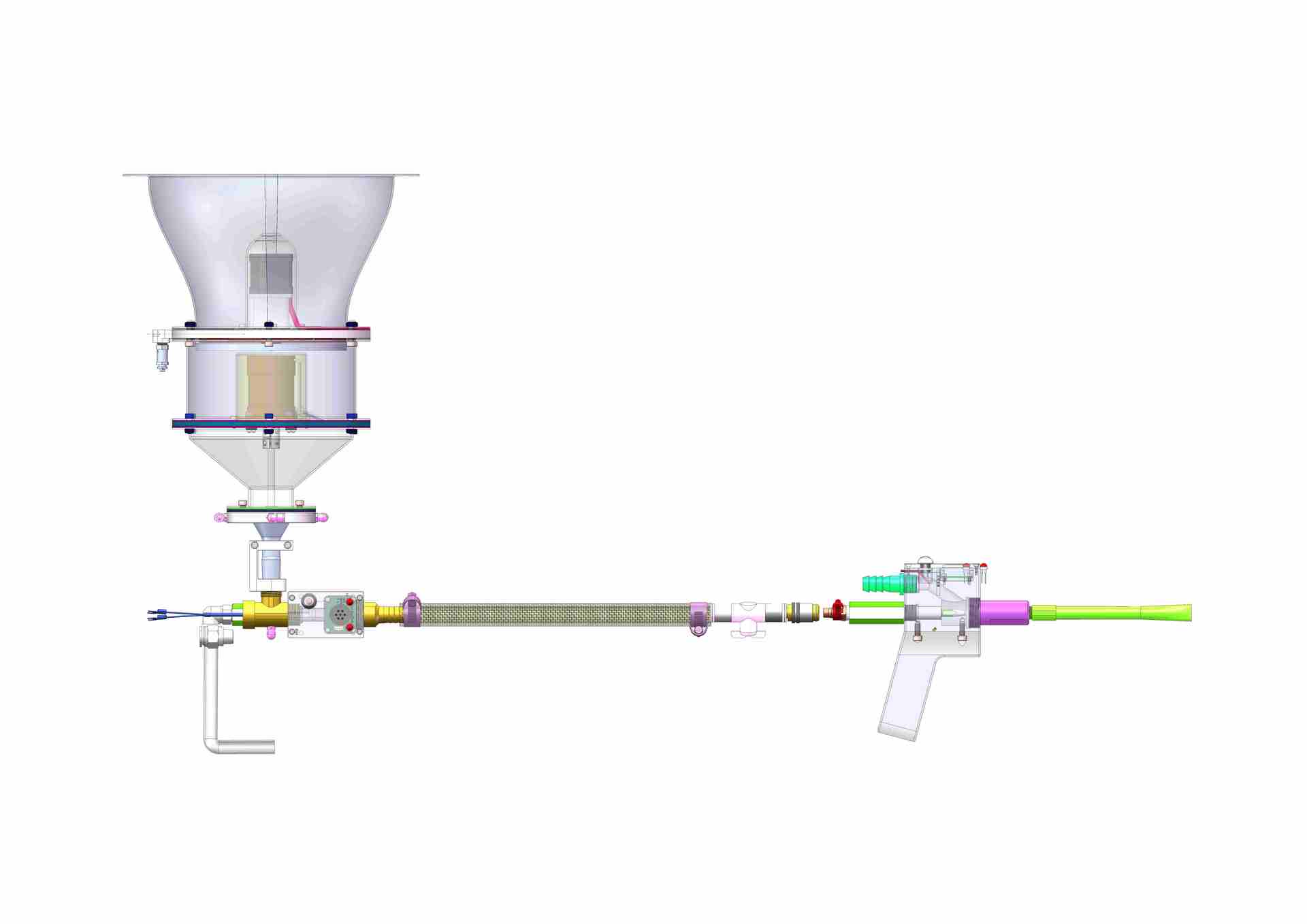
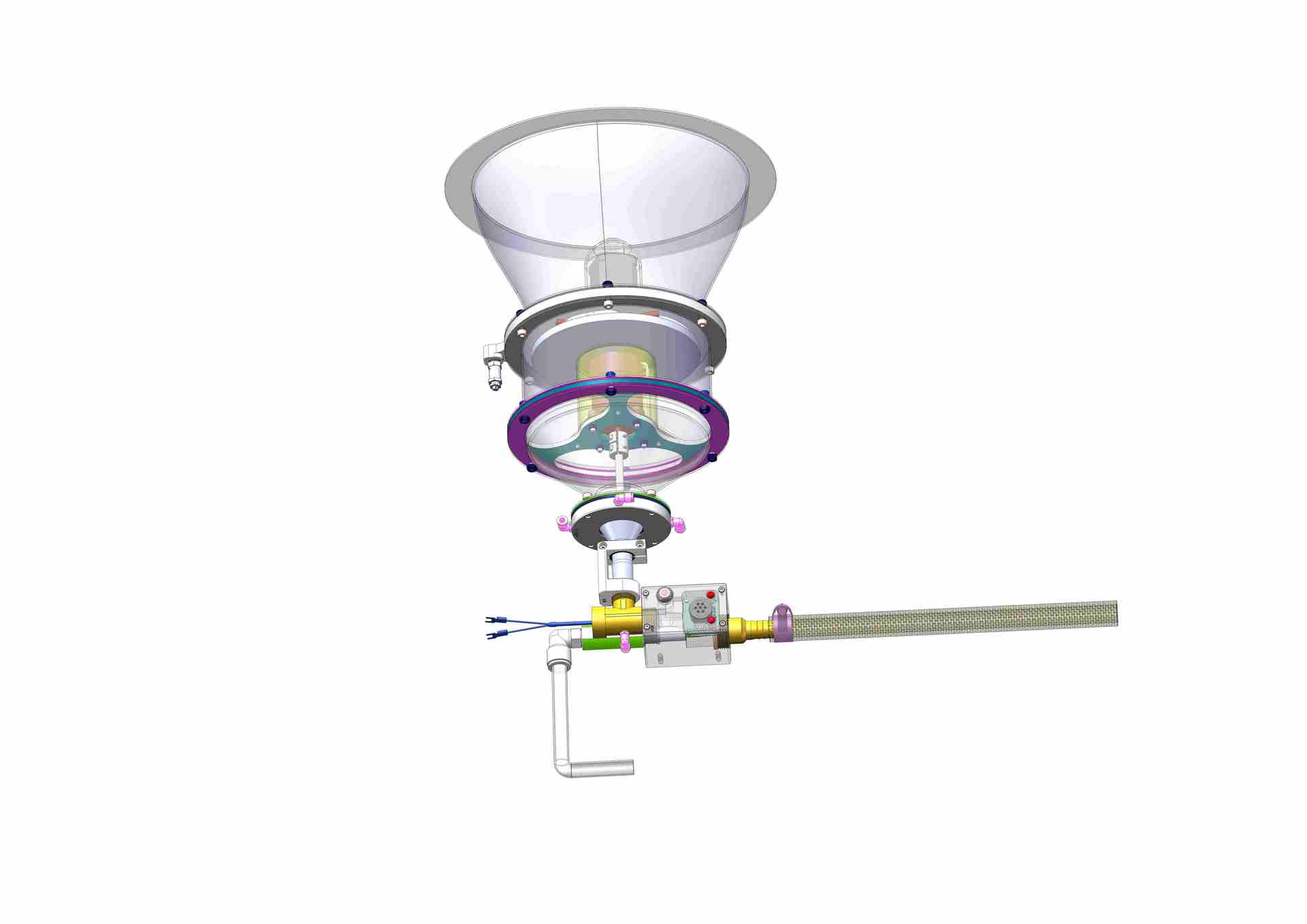
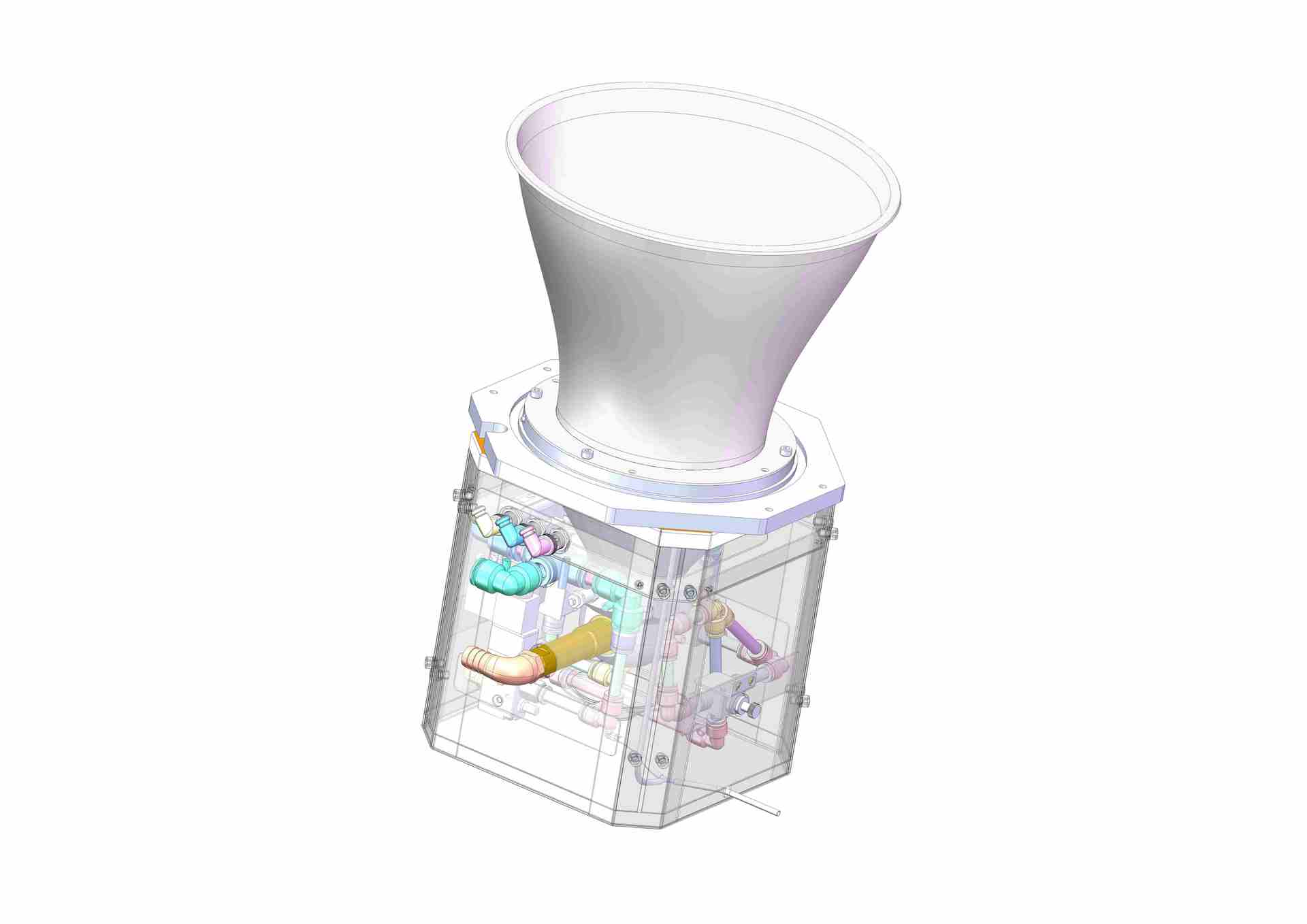
The structure has been updated, and after extensive testing and validation, we’ve observed that sometimes the ice in the hopper accumulates and fails to descend. We have tried various solutions.
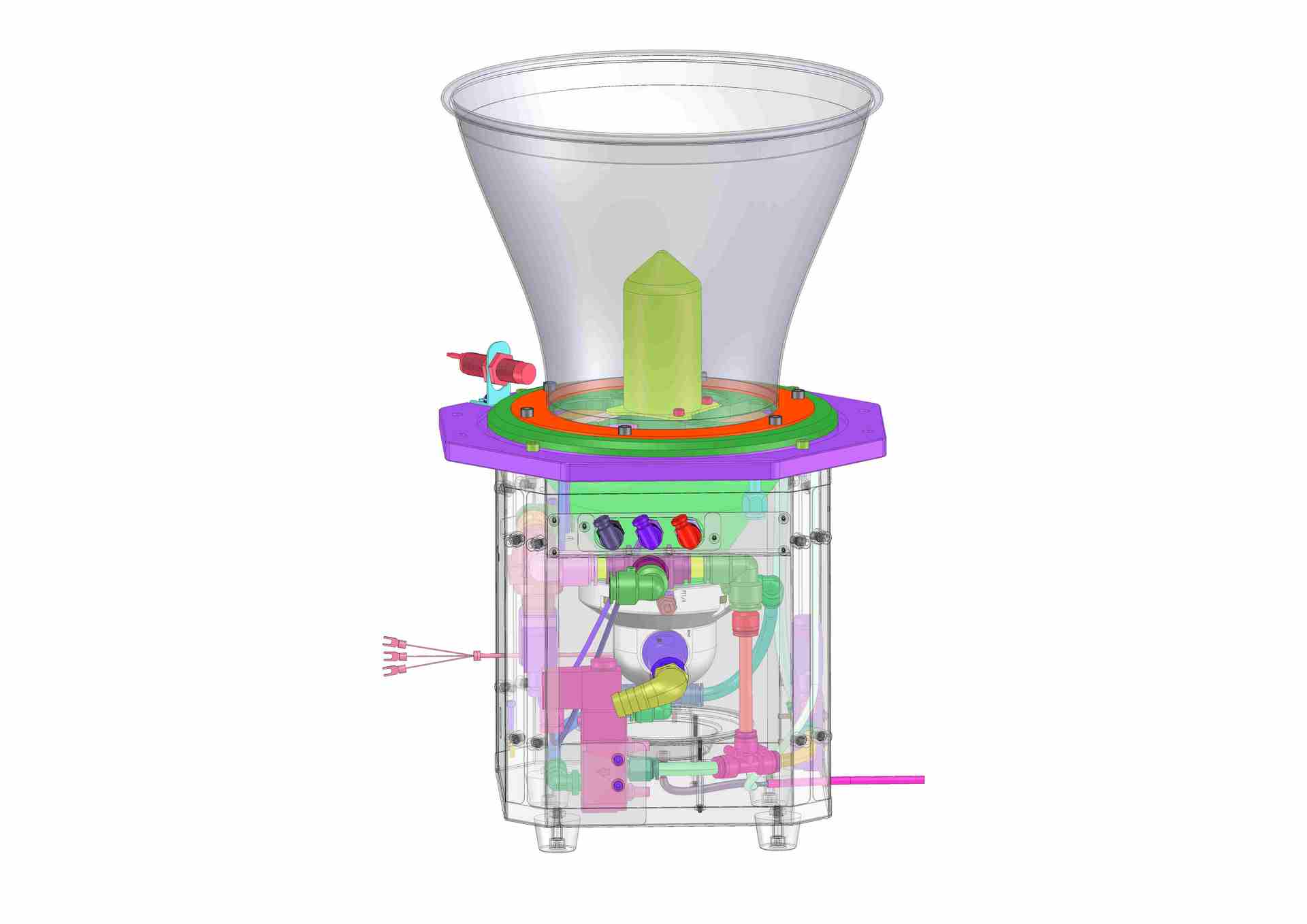
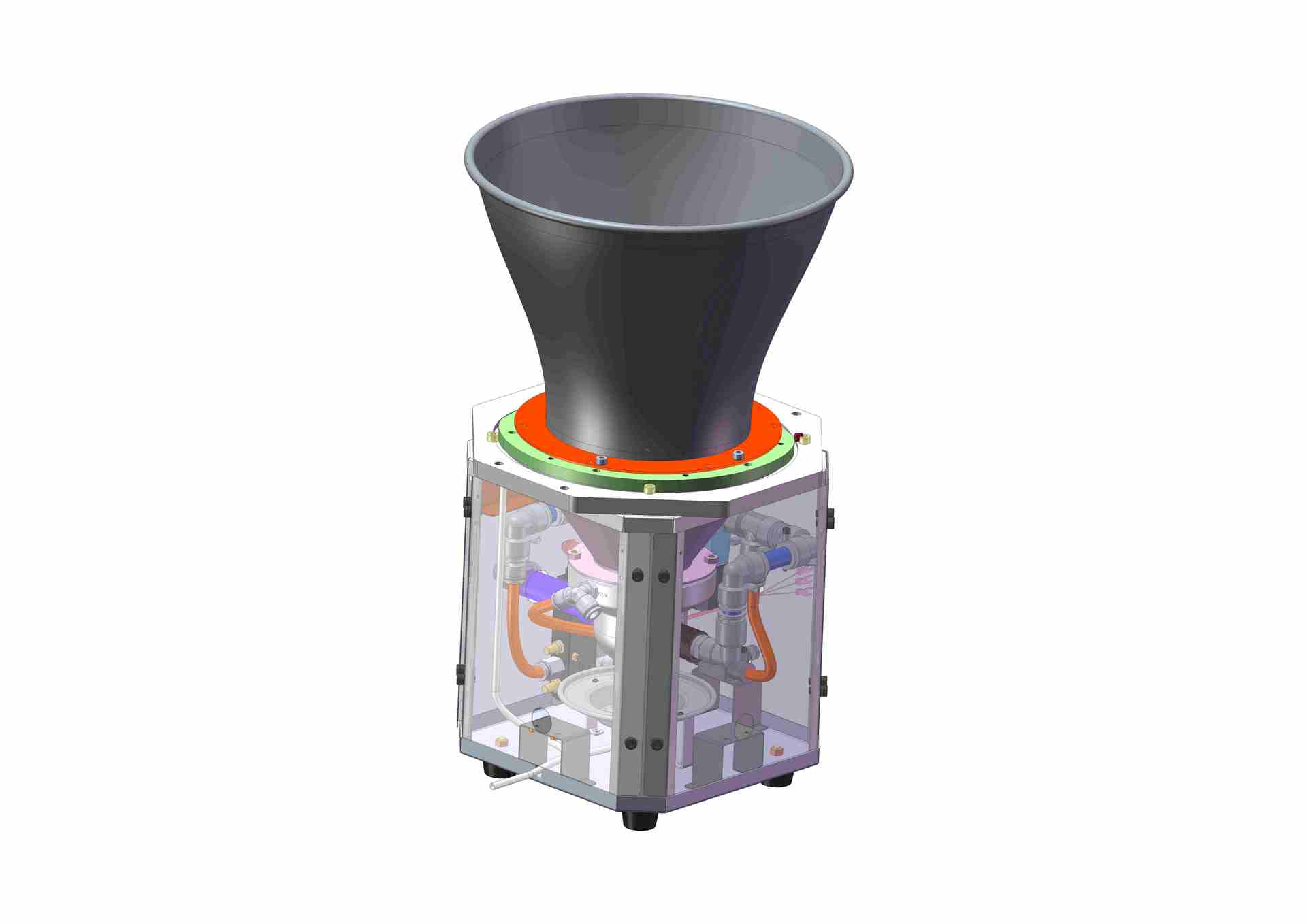
Furthermore, the entire core has been placed within a cube, and this modular design facilitates installation into housings for various usage scenarios.
Pending issues
The structure needs to be optimized.
Optimize the structure!
Dec 2024
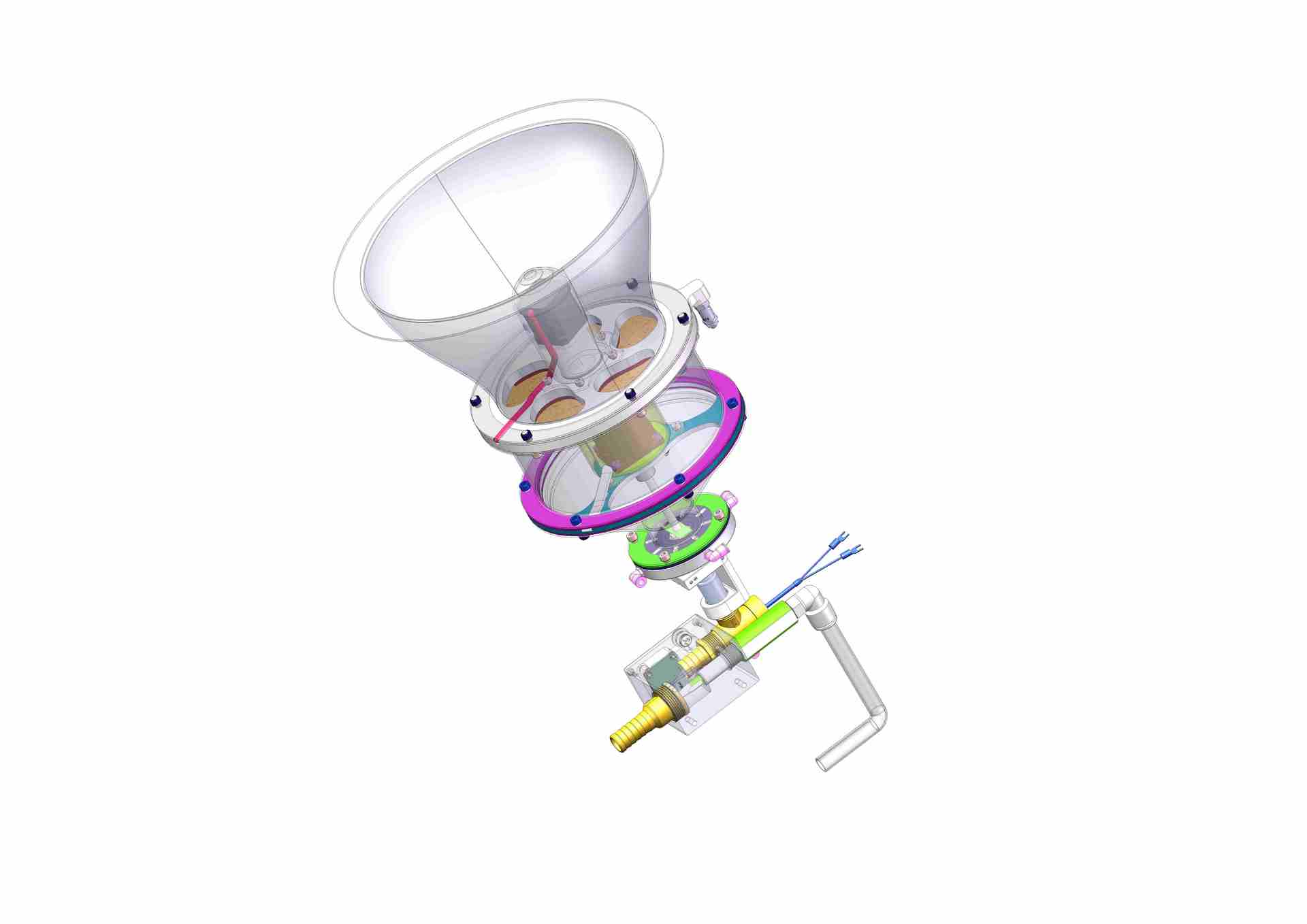
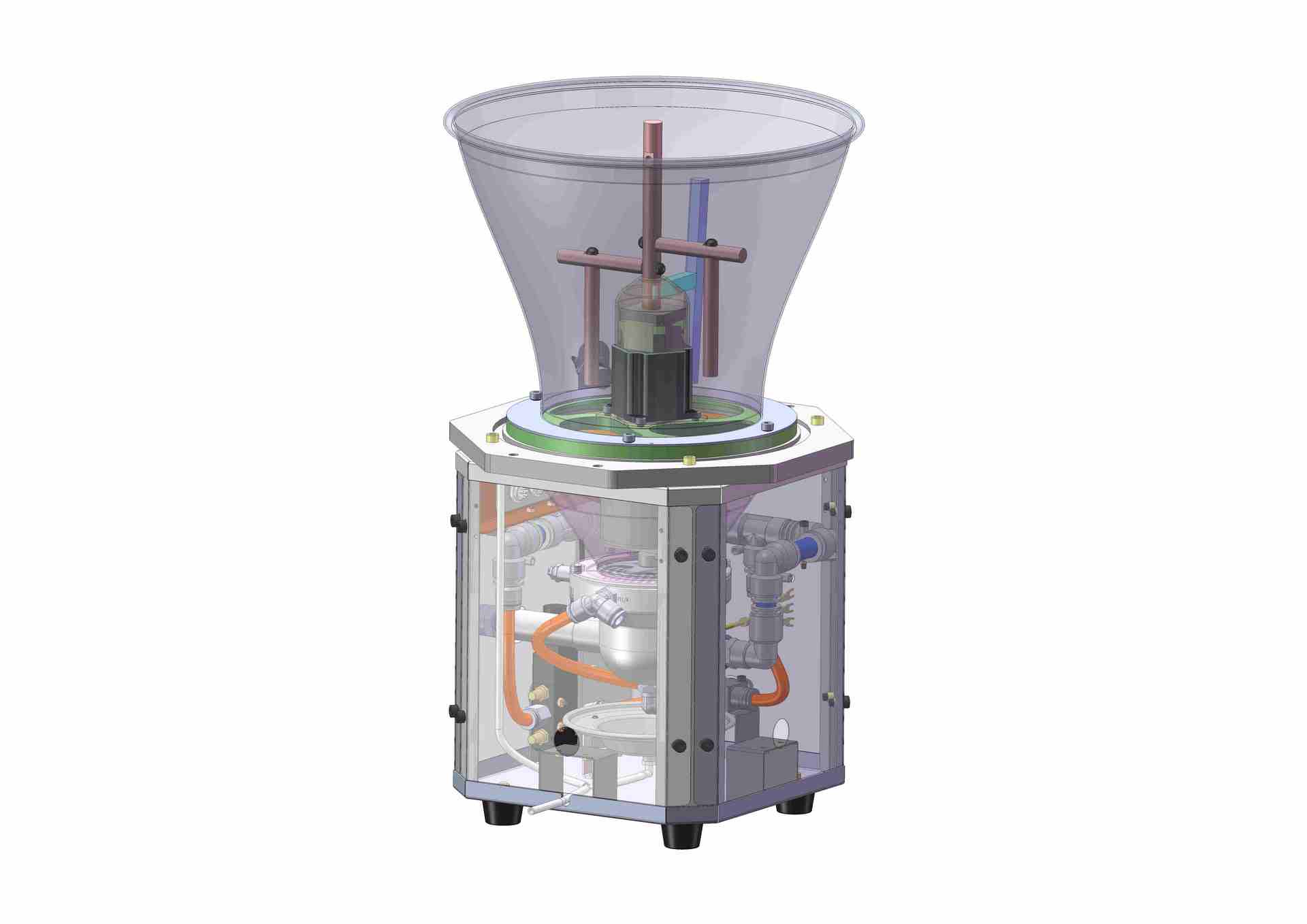
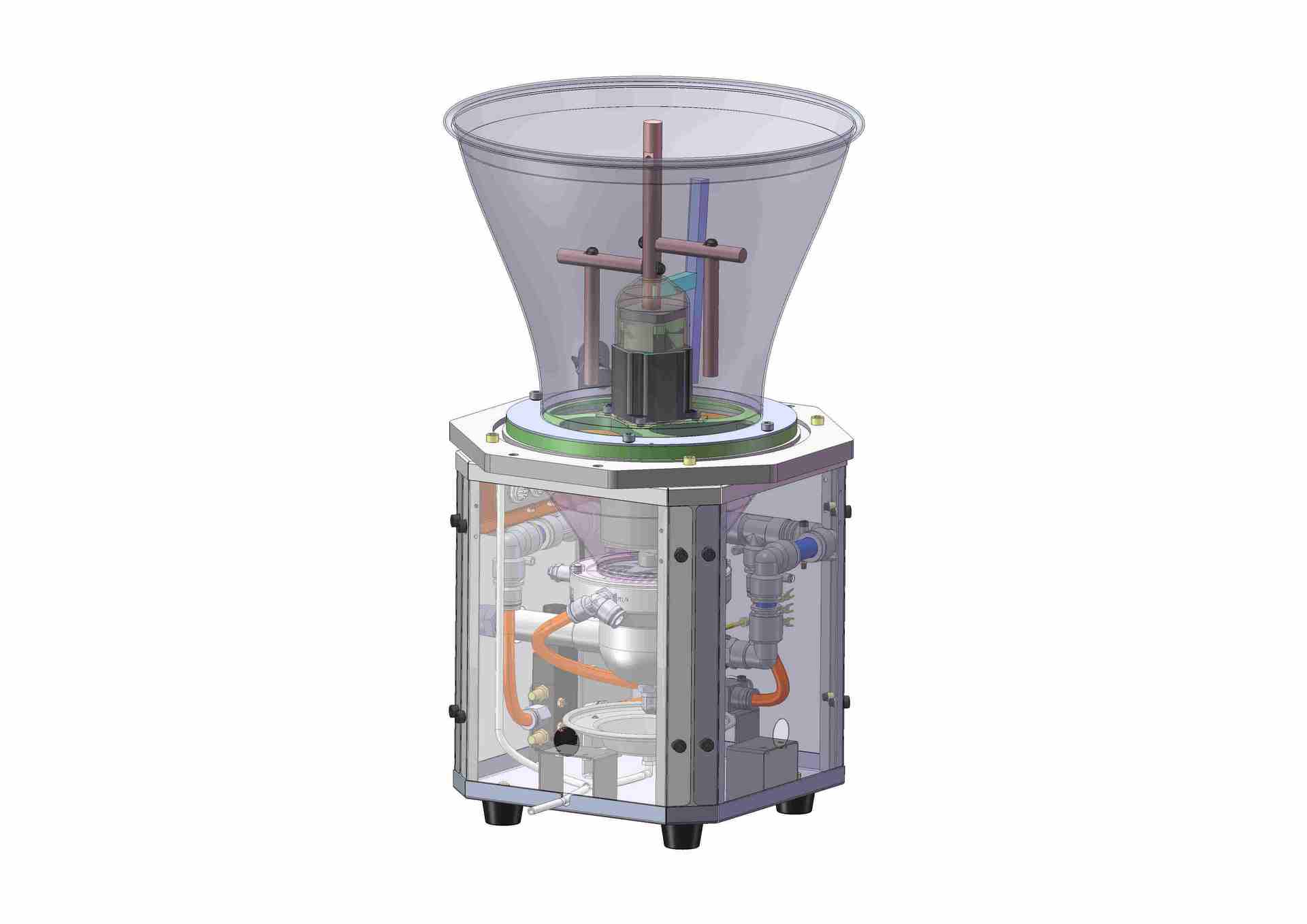
Considering operational safety concerns, we abandoned the moving mechanism and replaced it with a bottom-up air blowing method. The air blowing interval is controlled by a program.
Ice presence and absence sensors have been added and other improvements.
Pending issues
Add a control system
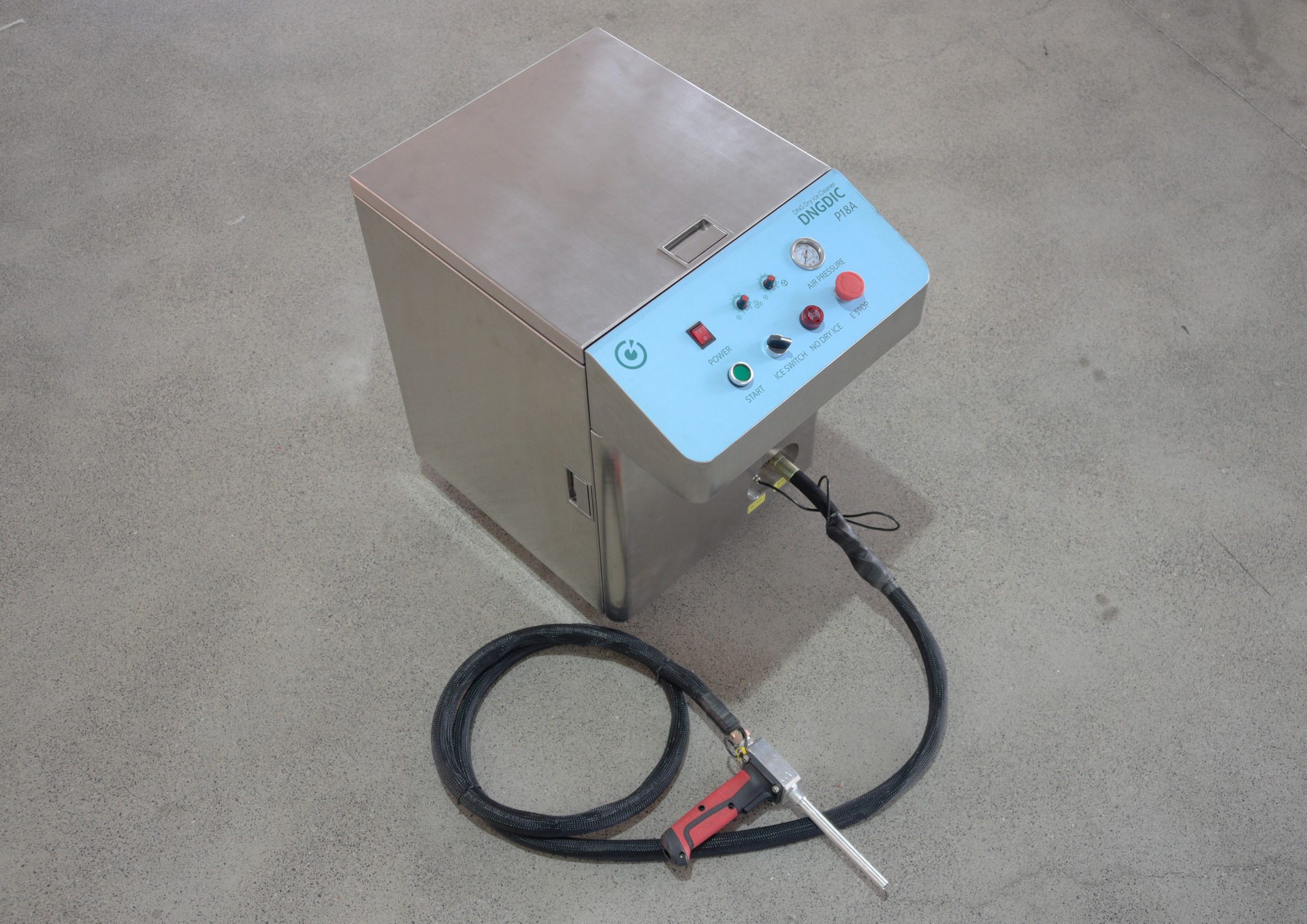
Design an outer casing
Optimize the structure!
Feb 2025
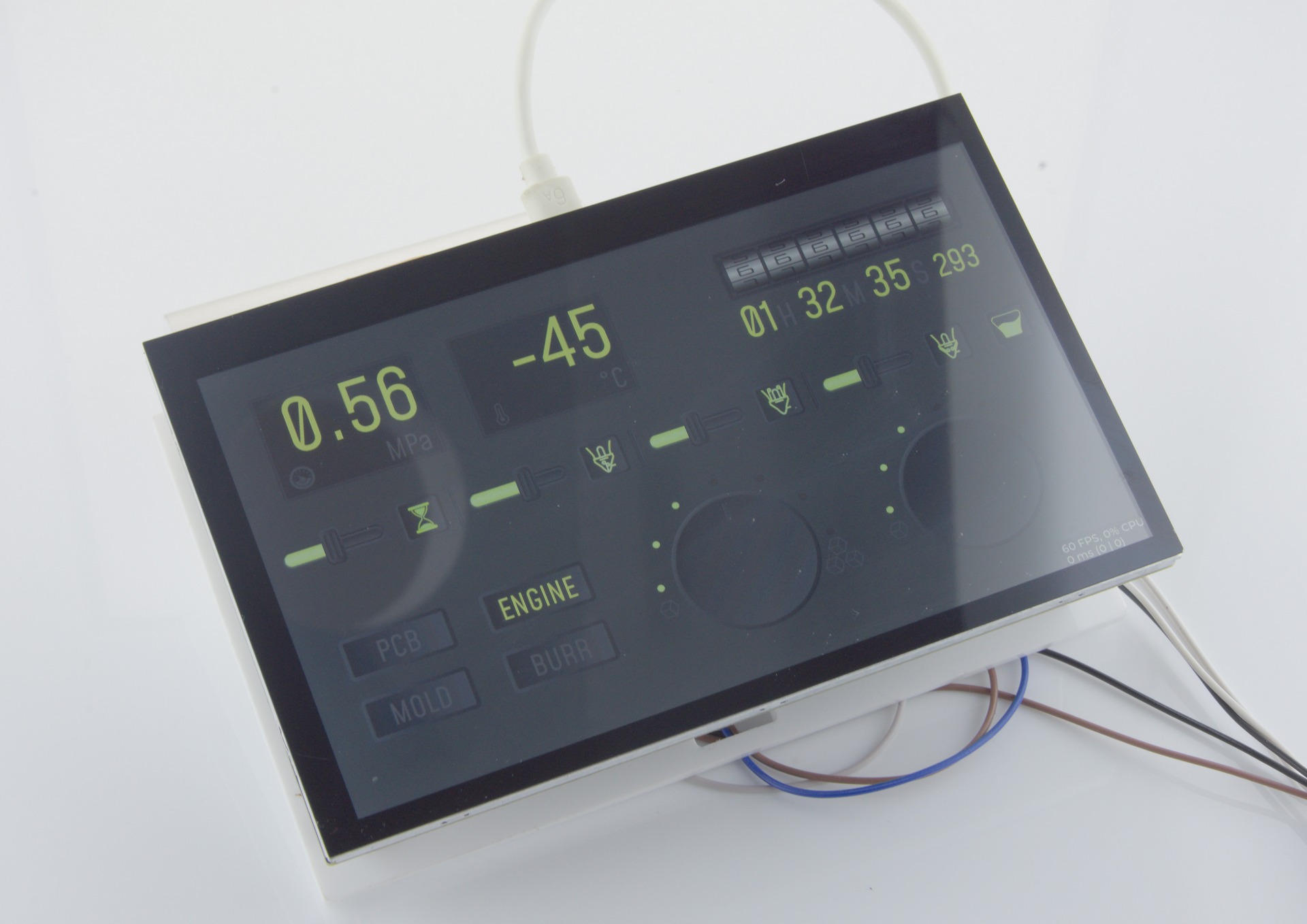
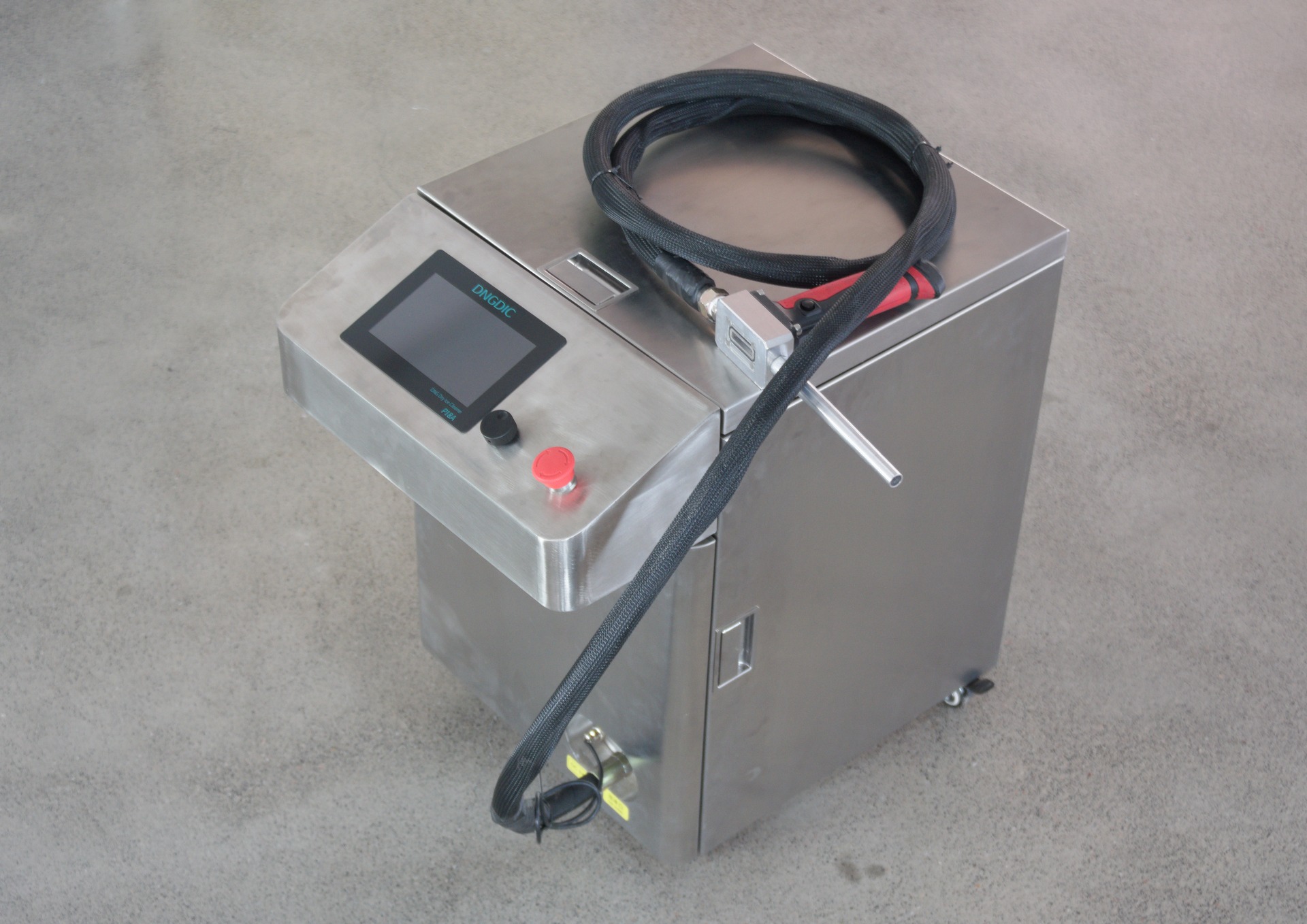
We used a 7-inch screen as the main display panel and conducted a three-month long-term test and verification. Several minor issues were discovered and subsequently improved.
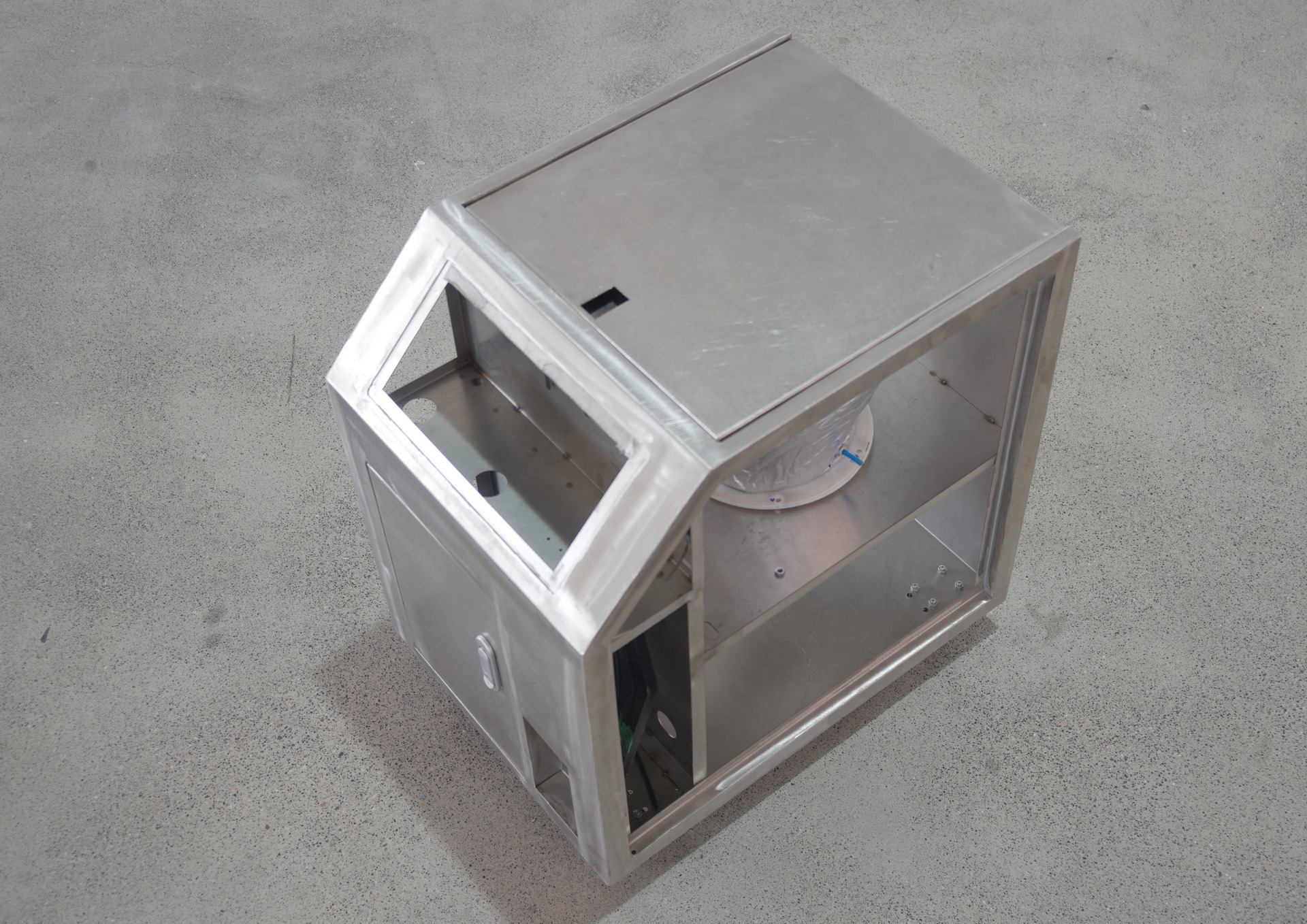
Both the outer shell and the internal ice bucket are made of stainless steel.